Mark has spent most of his Gospel showing that Jesus is the Son of God. In Mark 11, we get a glimpse of Jesus’ humanity. After entering Jerusalem on a donkey to shouts of Hosanna, Jesus took a quick tour of the Temple and returned to Bethany.
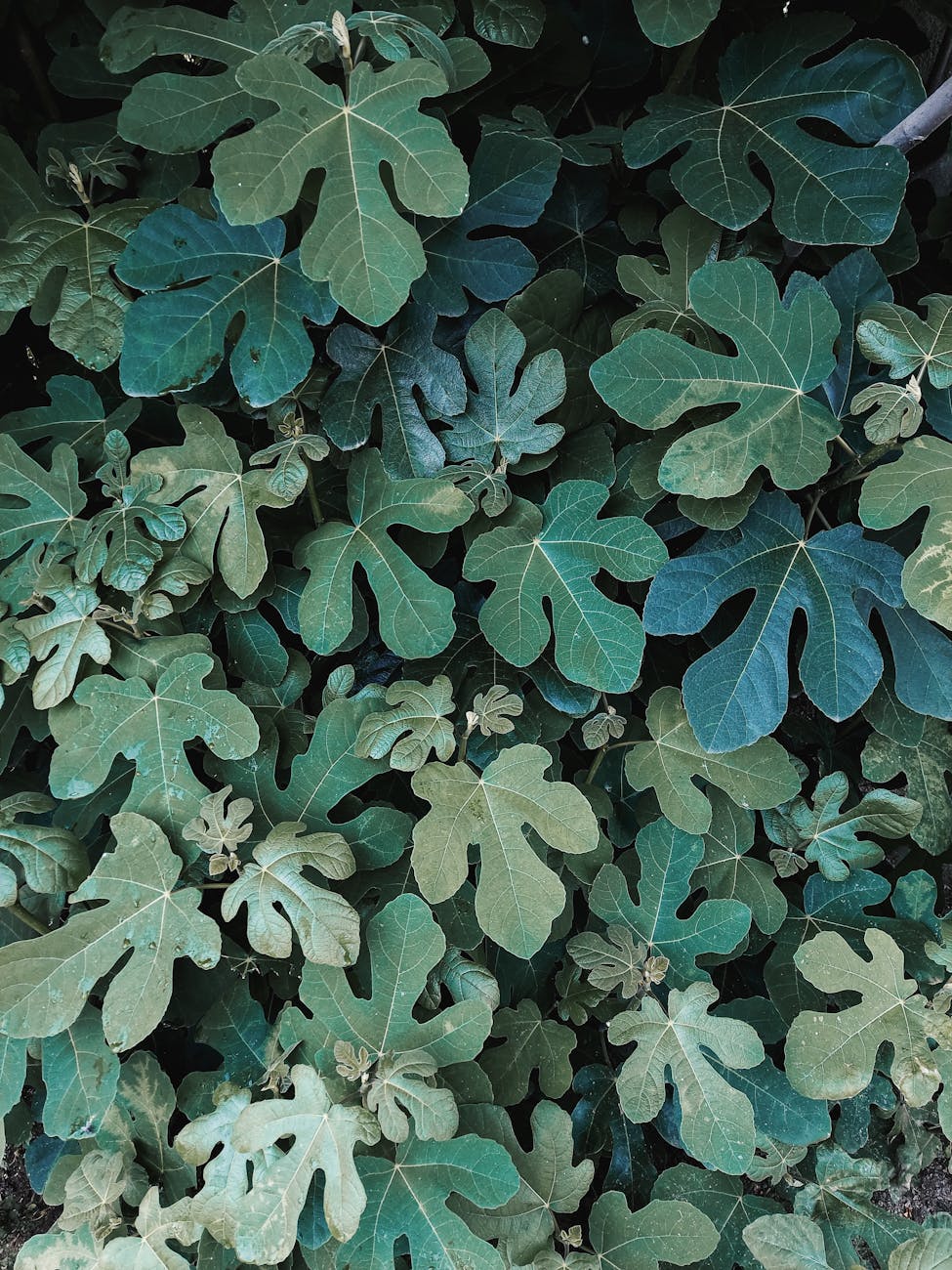
“The next day when they went out from Bethany, he was hungry. Seeing in the distance a fig tree with leaves, he went to find out if there was anything on it. When he came to it, he found nothing but leaves; for it was not the season for figs. He said to it, “May no one ever eat fruit from you again!” And his disciples heard it.” (Mark 11:12–14, CSB)
Mark moves on and records the events when Jesus came to the Temple a second time. We’ll take a closer look at that in our next article. At the end of the day, they returned to Bethany.
The next day, “Early in the morning, as they were passing by, they saw the fig tree withered from the roots up. Then Peter remembered and said to him, “Rabbi, look! The fig tree that you cursed has withered.” (Mark 11:20–21, CSB) There is plenty of unspoken symbolism here that connects the fig tree with the cleansing of the Temple and the fruitlessness of the religious leaders of that day.
Jesus, however, turned this into a teaching moment. “Jesus replied to them, “Have faith in God. Truly I tell you, if anyone says to this mountain, ‘Be lifted up and thrown into the sea,’ and does not doubt in his heart, but believes that what he says will happen, it will be done for him. Therefore I tell you, everything you pray and ask for—believe that you have received it and it will be yours. And whenever you stand praying, if you have anything against anyone, forgive him, so that your Father in heaven will also forgive you your wrongdoing.” (Mark 11:22–25, CSB)
First, a warning. Many have pulled out vs 23-24 and deceived many into believing that faith is a means of health and wealth. They focus on the temporary instead of the eternal. Yes, we pray for healing and for provision. God welcomes those prayers. He knows our needs. However, focusing on the temporary leads to fruitlessness, much like the fig tree. Sounds good, but doesn’t touch eternity.
Have faith in God. That is the vital starting point. Positive believing is meaningless without a faith rooted in God. Yes, pray and believe. Pray until you fully trust God for the answer. Let me put that another way. Pray the problem, trust God for the right answer at the best time. Jesus taught, “Who among you, if his son asks him for bread, will give him a stone? Or if he asks for a fish, will give him a snake? If you then, who are evil, know how to give good gifts to your children, how much more will your Father in heaven give good things to those who ask him.” (Matthew 7:9–11, CSB) Our problem is that we think our prayers are unanswered when we ask for candy, and God responds with bread. Have faith that God hears us and knows what is best for us.
The bookend to “have faith in God” is forgiveness. “Whenever you stand praying, if you have anything against anyone, forgive him, so that your Father in heaven will also forgive you your wrongdoing.” Unforgiveness hinders our prayers in ways we don’t often understand. Our trust in God begins with forgiveness. Our first baby step of faith is to believe that God has forgiven our sin through Jesus Christ. We, in response, are to forgive those who have offended or harmed us. Forgiveness is the fruit of having faith in God.
Don’t be like the fig tree; be fruitful. Start with the fruit of forgiving others and continue with the fruit of love, joy, peace… (Galatians 5:22-23) Fruitful faith moves mountains.

- Essential Worship – A Worship Map - March 4, 2026
- Proverbs – Anxiety - March 2, 2026
- Essential Worship – Sprirt and Truth - February 25, 2026